Farm + Ranch Living
Buying Farm & Ranch Property in Central Texas
More land. More possibilities. More room to make it your own.
Whether you're looking for a working ranch, recreational property, horse property, hunting land, or simply more acreage and privacy, Central Texas offers opportunities for just about every kind of landowner.
From rolling pastures and mature oak trees to stocked tanks, barns, workshops and wide-open spaces, farm and ranch properties offer something you simply can't get in a traditional neighborhood. But buying rural property also means looking beyond the house—access, water, utilities, fencing, easements, restrictions and agricultural use can all matter.
Explore farms, ranches and land for sale throughout Salado, Belton, Temple, Killeen, Copperas Cove and surrounding Central Texas communities. Whether you're searching for a place to run cattle, keep horses, hunt, build a homestead or simply own your own piece of Texas, I'll help you look at the property as a whole—not just the acreage.
Find the land that fits what you want to build, grow or call home.
Property Listings
Why Work With a Local Central Texas REALTOR® for Farm & Ranch Real Estate
Buying a farm, ranch or larger tract of land comes with considerations you may not encounter with a typical residential property. Water availability, access and easements, agricultural exemptions, fencing, utilities, surveys, deed restrictions, mineral rights and land use can all affect how a property can be used—and what it’s ultimately worth.
I help buyers look beyond the acreage count and understand the property as a whole. Whether you're searching for land near Salado, Belton, Temple, Killeen, Copperas Cove or the surrounding Central Texas countryside, local knowledge can help you compare properties, identify questions to ask and make a more informed decision.
Whether you're looking for a working ranch, horse property, recreational land, hunting property, homestead or simply more room to call your own, I'll help you find land that fits what you actually want to do with it.
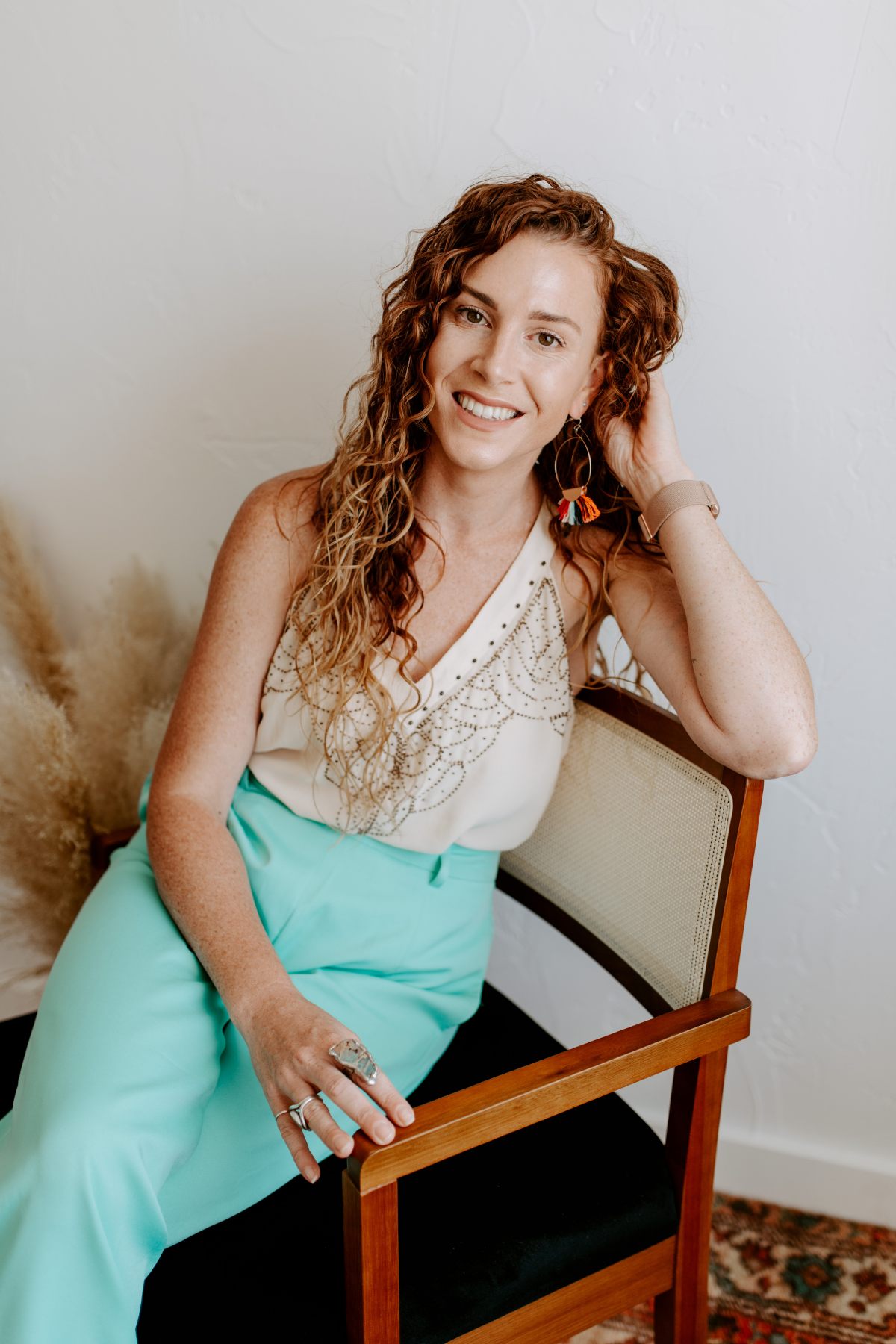
Ann Vandergriff
Central Texas Real Estate Advisor | Residential • Farm & Ranch • Commercial
I bring over 10 years of experience in the real estate industry, with the last five years serving as a licensed REALTOR® supporting buyers, sellers, and business owners throughout Central Texas.
As a multi-million-dollar producer, I work across residential, farm & ranch, and commercial real estate — helping clients with homes, land, and business-related properties.
My approach is built on local market expertise, strong negotiation, and hands-on service to ensure every client feels informed, protected, and confident from start to finish.
Frequently Asked Questions About Lake Living
Answers to the most common questions about buying, owning, and enjoying lakefront property.
What should I look for when buying land or a ranch in Central Texas?
Start with how you plan to use the property. Beyond acreage and location, consider legal access, utilities, water sources, septic, fencing, topography, floodplain, deed restrictions, easements and existing improvements. For agricultural or recreational properties, you may also want to investigate current land use, agricultural valuation, mineral interests and any leases or agreements affecting the property.
What is an agricultural exemption in Texas?
What is commonly called an “ag exemption” is generally a special agricultural appraisal that can reduce the property's taxable value based on qualifying agricultural use. Simply purchasing acreage does not automatically qualify a property. Requirements can vary by county and property use, so buyers should verify the property's current status and requirements with the local appraisal district.
Does an agricultural exemption transfer when I buy the property?
Not automatically in every situation. A property's agricultural valuation may already be in place, but the new owner generally needs to continue a qualifying use and meet applicable requirements. Before purchasing, it's important to verify the property's current appraisal status with the county appraisal district and understand what will be required after closing.
Do mineral rights come with land in Texas?
Not necessarily. Mineral interests can be separated from the surface estate and may have been reserved or conveyed by previous owners. A property listing alone should not be relied upon to determine mineral ownership. Buyers interested in mineral rights should review title information and, when appropriate, consult a qualified attorney or other professional.
What should I know about water when buying a Central Texas ranch?
Water can significantly affect the usability and value of rural land. Depending on the property, water may come from a private well, public or rural water provider, rainwater collection, tanks or ponds. Buyers should investigate the existing water source, availability, condition and capacity based on how they intend to use the land.
Can I buy Central Texas land to keep horses or livestock?
Yes, many Central Texas properties can accommodate horses, cattle or other livestock, but acreage alone doesn't determine whether a property is suitable. Consider fencing, water, pasture quality, terrain, shelter, restrictions and carrying capacity when evaluating land for animals.
How much is my Central Texas farm or ranch worth?
Farm and ranch values can vary considerably based on location, acreage, access, water, improvements, topography, fencing, utilities and potential land use, along with current market conditions. An automated home-value estimate often can't account for these differences. A property-specific market analysis is a better starting point for owners considering selling.
Thinking About Selling Your Farm, Ranch or Land?
Rural properties aren't one-size-fits-all—and neither is their value. Let's take a closer look at your property, the land and today's Central Texas market.
your next move starts here