Find the Right Home in Central Texas — With a Strategy, Not Just a Search
From first homes to land, new construction, and move-up homes, I help buyers understand pricing, neighborhoods, and market timing so they can make confident decisions.
Buying a Home Is More Than Finding One You Love
A home is more than a place to live—it's where life unfolds, memories are made, and one of the largest investments you'll ever make.
Finding the right home isn't just about falling in love with a floor plan. It's about understanding the market, evaluating value, negotiating strategically, and making a decision that supports your lifestyle today and your goals for years to come.
Whether you're buying your first home or your forever home, my role is to provide honest guidance, local expertise, and a thoughtful strategy so you can move forward with confidence.
Home Buying Process
1. Initial Consultation
We'll discuss your goals, timeline, preferred locations, budget, and must-have features.
2. Get Pre-Approved
I'll connect you with trusted local lenders so you know exactly what you can comfortably afford before shopping.
3. Home Search
We'll narrow down neighborhoods, schedule showings, and identify homes that truly fit your needs—not just your search filters.
4. Make an Offer
Together we'll analyze recent comparable sales, market conditions, and negotiate terms designed to protect your interests.
5. Inspections & Due Diligence
One of the most important phases.
We'll review inspections, negotiate repairs when appropriate, evaluate disclosures, and make sure there aren't surprises after closing.
6. Closing Day
You'll receive the keys—and I'll still be here long after the paperwork is signed.
Search For Homes in Central Texas
Latest Homes for Sale in Central Texas
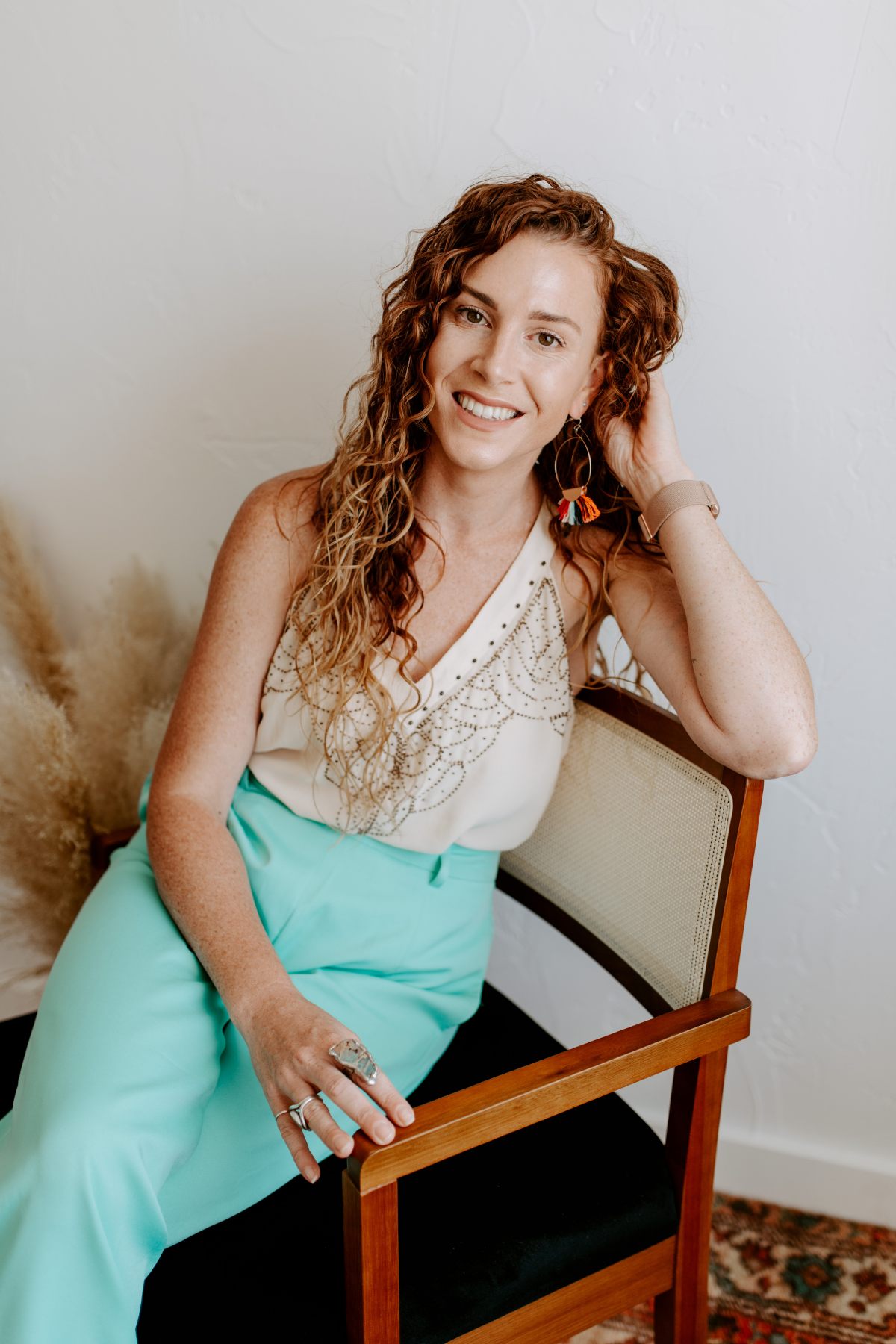
Ann Vandergriff
Central Texas Real Estate Advisor | Residential • Farm & Ranch • Commercial
I bring over 10 years of experience in the real estate industry, with the last five years serving as a licensed REALTOR® supporting buyers, sellers, and business owners throughout Central Texas.
As a multi-million-dollar producer, I work across residential, farm & ranch, and commercial real estate — helping clients with homes, land, and business-related properties.
My approach is built on local market expertise, strong negotiation, and hands-on service to ensure every client feels informed, protected, and confident from start to finish.

Central Texas Home Buying FAQs
Buying a home comes with plenty of questions—and that's a good thing. Whether you're purchasing your first home, relocating to Central Texas, or searching for land, here are answers to some of the questions I hear most often from buyers.
How much money do I need to buy a home?
The amount you'll need depends on the type of loan you choose, the purchase price, and whether you qualify for any down payment assistance programs.
While some buyers put 20% down, many loan programs allow qualified buyers to purchase a home with much less and some programs nothing at all.
In addition to your down payment, you'll want to budget for:
- Earnest Money: A good rule of thumb is about 1% of the purchase price, though the amount is negotiable. Earnest money is a good-faith deposit that shows the seller you're serious about buying the home. If the transaction closes, it's typically applied toward your down payment or closing costs.
- Option Fee: The option fee varies depending on the terms of the contract but is often just a few hundred dollars. This fee is paid directly to the seller in exchange for an agreed-upon option period, giving you time to complete inspections and perform due diligence with the ability to terminate the contract during that period.
- Closing Costs: Closing costs are different for every buyer and depend on factors like your loan program and the purchase price. I like to involve your lender early so you'll have a clear understanding of what to expect and so we can strategically negotiate potential seller contributions when appropriate.
- Home Inspections: Inspection costs vary based on the property and the type of financing. A standard residential home inspection typically starts around $300, but some loan programs require additional inspections. For example, VA loans require a wood-destroying insect (termite) inspection, while many conventional loans do not.
- Moving Expenses: Don't forget to factor in the cost of moving, utility deposits, cleaning supplies, furniture, and any immediate repairs or updates you'd like to make after closing.
Before you start shopping, I'll help you understand the full picture so there are no surprises along the way.
Should I get pre-approved before looking at homes?
Yes. Getting pre-approved is one of the most important first steps.
A pre-approval helps you:
- Understand what you can comfortably afford
- Strengthen your offer when you're competing with other buyers
- Avoid falling in love with a home that's outside your budget
- Move quickly when the right property comes along
If you don't already have a lender, I'm happy to connect you with trusted local professionals.
How long does it take to buy a house?
Every transaction is different, but most buyers can expect the process to take about 30 to 45 days after an offer is accepted.
The timeline generally includes:
- Getting pre-approved
- Touring homes
- Making an offer
- Completing inspections
- Finalizing financing
- Closing on the property
If you're relocating, buying land, or purchasing a home that requires additional negotiations, the process may take a little longer.
What credit score do I need?
There's no single credit score required to buy a home. Different loan programs have different guidelines, and lenders consider more than just your score.
They'll also look at factors like:
- Your income
- Employment history
- Existing debt
- Savings
- Overall financial picture
If your credit isn't where you'd like it to be, don't assume homeownership is out of reach. Many buyers are surprised by the options available once they speak with a lender.
What happens during the inspection period?
The inspection period is your opportunity to learn as much as possible about the home before moving forward.
A licensed inspector evaluates major components such as:
- Roof
- Foundation
- Electrical
- Plumbing
- HVAC
- Appliances
- Structural concerns
Once the inspection is complete, we'll review the report together and discuss your options. Depending on the findings, we may negotiate repairs, request concessions, or move forward knowing exactly what to expect. My goal is to help you make an informed decision—not a rushed one.
Can I buy and sell at the same time?
Absolutely. Many homeowners need to sell their current home before purchasing their next one.
We'll create a strategy based on your goals and timeline, which may include:
- Coordinating both closings
- Negotiating flexible closing dates
- Exploring leaseback options
- Using financing solutions that make the transition smoother
Every situation is unique, and we'll build a plan that minimizes stress while protecting your interests.
How much are closing costs?
Closing costs typically range from 2% to 5% of the home's purchase price, though the exact amount depends on your loan, lender, and the property's location.
Closing costs may include:
- Loan fees
- Title insurance
- Appraisal
- Survey
- Recording fees
- Escrow costs
- Prepaid taxes and insurance
In some cases, sellers may agree to contribute toward a buyer's closing costs as part of the negotiated contract.
Do I need a REALTOR® when buying new construction?
Yes—and in most cases, having your own REALTOR® doesn't cost you anything extra.
The builder's sales consultant works for the builder, while I work exclusively for you. My role is to help you:
- Compare builders and communities
- Review contracts
- Explain upgrade options
- Evaluate resale value
- Advocate for your best interests throughout the process
It's important to involve your REALTOR® early, ideally before your first visit to a builder's model home, since many builders require your agent to accompany you on your initial visit.
Why work with a local REALTOR®?
Real estate is about more than finding a home online. A local REALTOR® brings market knowledge, negotiation experience, and insight that can help you avoid costly mistakes.
As someone who lives and works in Central Texas, I provide guidance tailored to our local market—from understanding neighborhood trends to reviewing comparable sales and navigating the Texas contract process.
My goal is to make sure you feel informed and confident from your first showing to closing day.